
Goose grass/Cleavers ( Galium Aparine)
Goosegrass (Galium aparine): From Clinging Weed to Useful Wild Plant
Goosegrass is one of those plants almost everyone recognises, even if they don’t know its name. Its sticky stems cling stubbornly to clothes, pets, and passing wildlife, earning it a reputation as a nuisance. Yet for centuries, this unassuming plant has been gathered for food, drink, and traditional remedies, particularly in spring when fresh growth is at its best.
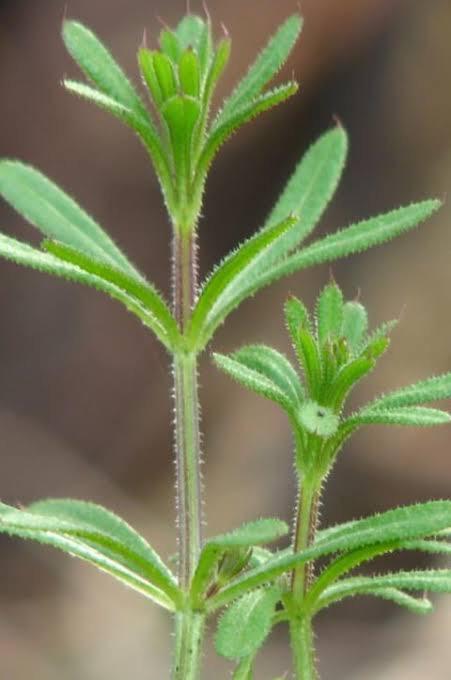
Identification and Habitat
Goosegrass (Galium aparine) is an annual member of the bedstraw family. It thrives in fertile soils and is commonly found in hedgerows, gardens, woodland edges, and field margins.
The plant has long, sprawling stems covered in tiny hooked hairs that help it scramble over surrounding vegetation. Leaves grow in whorls of six to eight around the stem and are narrow, pointed, and rough to the touch. From late spring through summer, small white star-shaped flowers appear, followed by round, bristly seeds.
Young plants are bright green and relatively tender, while older plants become tough and fibrous.
When to Harvest
Best time: Early spring to late spring
What to pick: Young shoots and leafy tops
Avoid: Older plants with tough stems or fully formed seeds
Always harvest from clean, pesticide free areas and shake or rinse well to remove insects.
Preparation Methods
Because of its hooked hairs, goosegrass benefits from careful preparation. Young growth is much more pleasant to work with and requires minimal processing.
Cleaning
Rinse thoroughly in cold water. For culinary uses, blanching briefly will soften the hairs and improve texture.
Blanching (Recommended)
– Bring a pot of salted water to a boil,
– Add goosegrass for 30–60 seconds,
– Drain and rinse in cold water.
This step makes the plant far more palatable and suitable for further cooking.
Juicing
Fresh goosegrass is often juiced for herbal preparations. Blend with a little water and strain through a fine cloth or sieve to remove fibres.
Drying
While goosegrass is best used fresh, it can be air-dried for teas. Spread thinly in a warm, shaded area and store once fully dry.
Simple Recipes and Uses
Goosegrass Spring Green
A simple way to enjoy goosegrass as a cooked vegetable.
Method:
1. Harvest young shoots and leaves
2. Blanch for 1 minute and drain
3. Sauté gently in butter or olive oil with garlic
4. Season with salt, pepper, and a squeeze of lemon
Serve as a side dish or stirred into pasta, omelettes, or grain bowls.
Goosegrass Cleansing Infusion (Herbal Tea)
Traditionally used as a cooling spring drink.
Method:
– Use a small handful of fresh goosegrass
– Pour over hot (not boiling) water
– Cover and steep for 10–15 minutes
– Strain and drink warm or chilled
This tea has a mild, grassy flavour and is often taken in short courses rather than daily.
Fresh Goosegrass Juice
Often used in traditional herbal practice.
Method:
1. Blend fresh goosegrass with a little water
2. Strain thoroughly through muslin or a fine sieve
3. Take in small amounts, diluted if desired
The juice can also be applied externally to soothe minor skin irritations.
Goosegrass Seed “Coffee” Substitute
A traditional and unusual use of the plant.
Method:
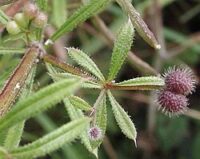
1. Collect mature seeds in late summer
2. Rinse and dry thoroughly
3. Roast gently in a dry pan until dark brown
4. Grind and brew like coffee
The result is a dark, earthy drink that is naturally caffeine-free.
Traditional and Folk Uses
Goosegrass has long been associated with cleansing and cooling actions in traditional European herbalism. It was used to support the lymphatic system, kidneys, and skin, and applied externally as poultices for minor burns, swellings, and irritations.
Precautions
– Use only correctly identified plants
– Avoid excessive use, particularly if you have kidney conditions or are on diuretics
– Pregnant or breastfeeding individuals should consult a qualified professional before use
Often pulled up and discarded without a second thought, goosegrass is a reminder that even the most stubborn wild plants can be valuable allies. With careful harvesting and simple preparation, Galium aparine transforms from an irritating hitchhiker into a versatile spring resource.