Nettles: From Sting to Superfood
Nettles: From Sting to Superfood
Few wild plants are as instantly recognisable or as misunderstood as the humble nettle. Known for its painful sting and aggressive growth, nettles are often avoided or pulled out without a second thought. Yet for centuries, this resilient plant has been one of the most valued wild foods and medicinal herbs across Europe and beyond. Once you understand nettles, they quickly transform from enemy to ally.
Identification and Habitat
The common nettle (‘Urtica dioica’) is a hardy perennial found in gardens, hedgerows, woodland edges, riverbanks, and disturbed ground. It thrives in nitrogen-rich soils and often grows in dense colonies.
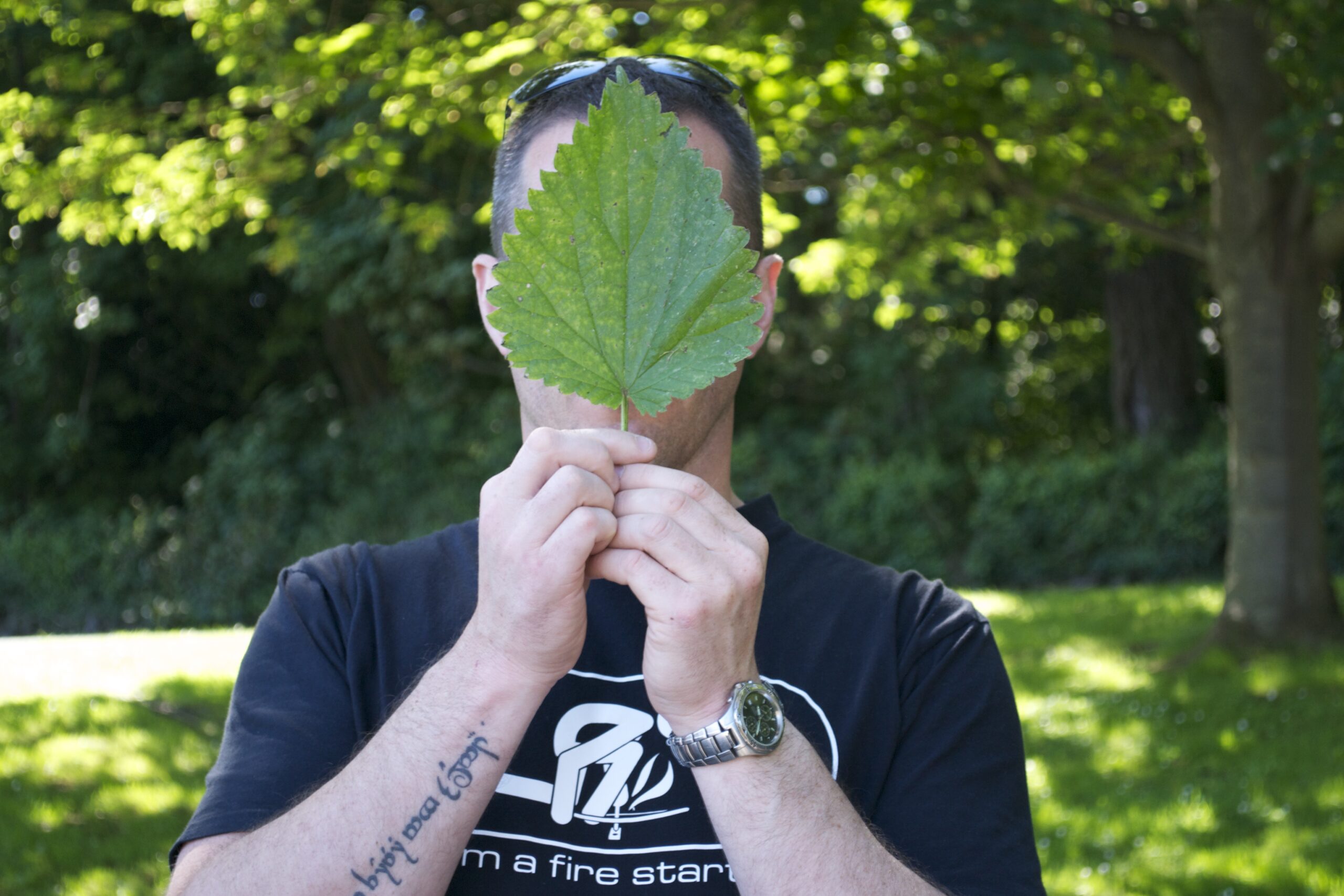
Nettles have serrated, heart-shaped leaves arranged oppositely along a square(ish) stem. Both leaves and stems are covered in fine stinging hairs that inject formic acid and other compounds on contact, causing the familiar burning sensation. In summer, long greenish flower spikes appear, later producing seeds that are also edible and nutritious.
Seasonal Growth
Nettles emerge early in spring and can be harvested from March through early summer. The young top growth is the most desirable – tender, mild, and packed with nutrients. Later in the year, nettles become tougher and are best suited for tea, seeds, or compost.
A traditional foraging rule is to harvest nettles before flowering, as older plants may contain higher levels of irritating compounds.
Culinary Uses
Once cooked, dried, or crushed, nettles lose their sting entirely, revealing a rich, spinach-like flavour. They are incredibly versatile in the kitchen and can replace leafy greens in most recipes.
Preparing Nettles Safely
– Always wear gloves when harvesting
– Pick young tops (the top 4–6 leaves)
– Rinse thoroughly
– Blanch for 1–2 minutes to neutralise the sting
After blanching, nettles can be chopped, frozen, sautéed, or added directly to dishes.
Simple Nettle Recipes
Nettle Soup (Classic Spring Tonic)
Ingredients:
– Onion or leek
-Potato
-Fresh nettles
-Stock
Method:
Sauté onion or leek, add diced potato and stock, and simmer until soft. Add blanched nettles, blend until smooth, and season to taste. Finish with cream or butter if desired.
Nettle Pesto
Replace basil with blanched nettles for a deep green, mineral-rich pesto.
Blend:
-Blanched nettles
-Garlic
-Nuts (pine nuts, walnuts, or hazelnuts)
– Olive oil
-Hard cheese
Excellent with pasta, roasted vegetables, or sourdough.
Nettle Tea
Dry young nettle leaves and steep 1-2 teaspoons in hot water for 10 minutes. The resulting tea is earthy, mild, and traditionally valued as a daily tonic.
Nutritional Powerhouse
Nettles are among the most nutritious wild greens available.
– High in iron, calcium, magnesium, and potassium
– Rich in vitamins A, C, and K
– Contains protein and chlorophyll
This dense nutritional profile earned nettles their reputation as a spring restorative after long winters of limited fresh food.
Traditional and Medicinal Uses
In traditional herbalism, nettles have been used to support joints, circulation, urinary health, and seasonal allergies. The leaves were taken as teas or tonics, while the roots were used for urinary and prostate support.
An old practice known as ‘Urtication’ involved lightly brushing fresh nettles against aching joints to stimulate circulation, a practice still referenced today.
Wildlife and Ecological Value
Nettles are essential to wildlife. They are a key food plant for caterpillars of butterflies such as the red admiral, small tortoiseshell, cabbage white and peacock. Allowing a patch of nettles to grow is one of the simplest ways to support biodiversity.
Precautions
– Always positively identify nettles before use
– Avoid harvesting from polluted areas or roadsides
– Use gloves until the sting is neutralised
– Those with kidney issues should consult a professional before heavy medicinal use
A Plant Worth Respecting
Nettles teach an important lesson: plants that demand respect often offer the greatest rewards. What begins as a sting ends as nourishment, medicine, and habitat for wildlife. Once welcomed rather than feared, nettles become one of the most generous plants in the landscape.