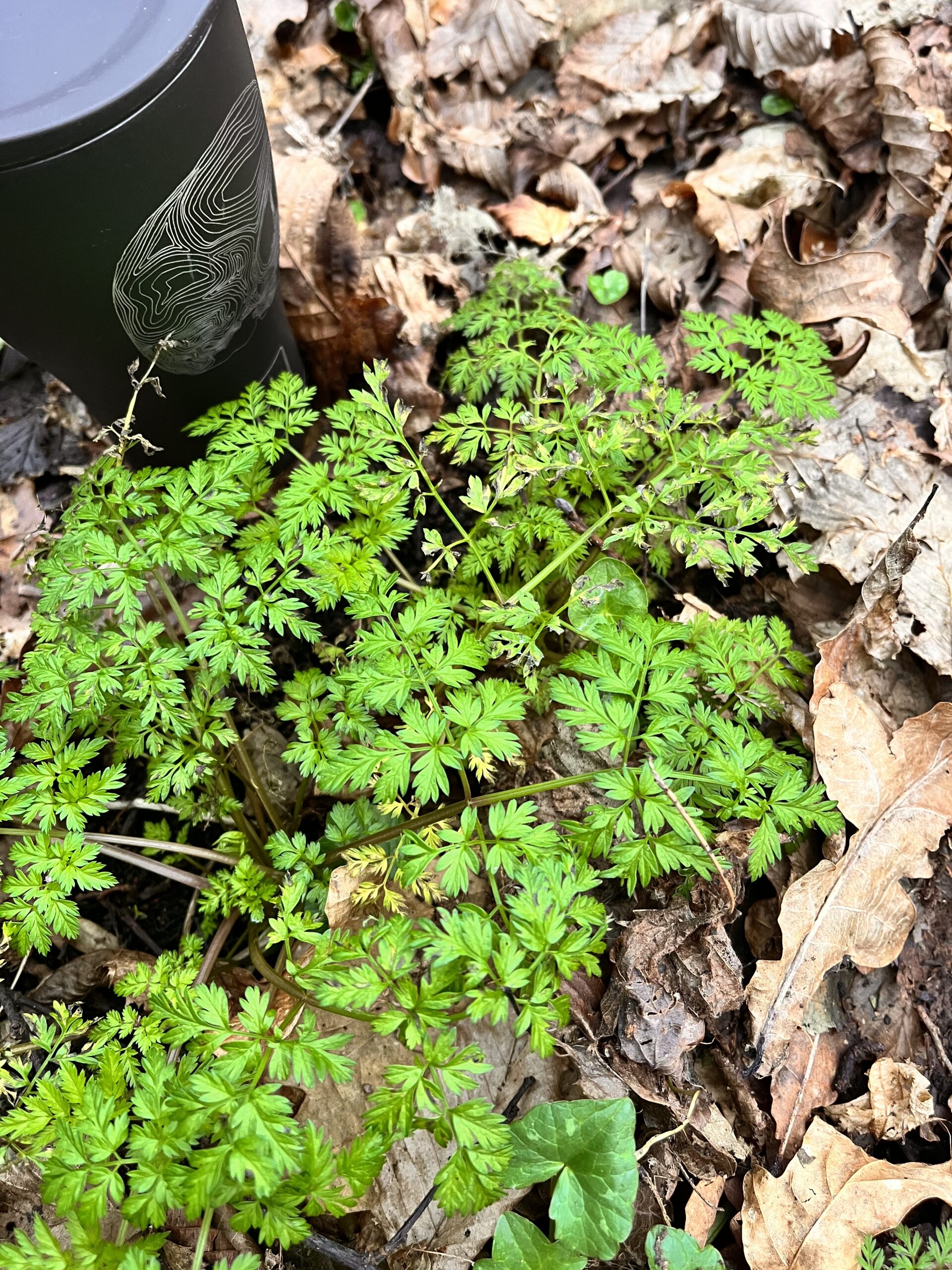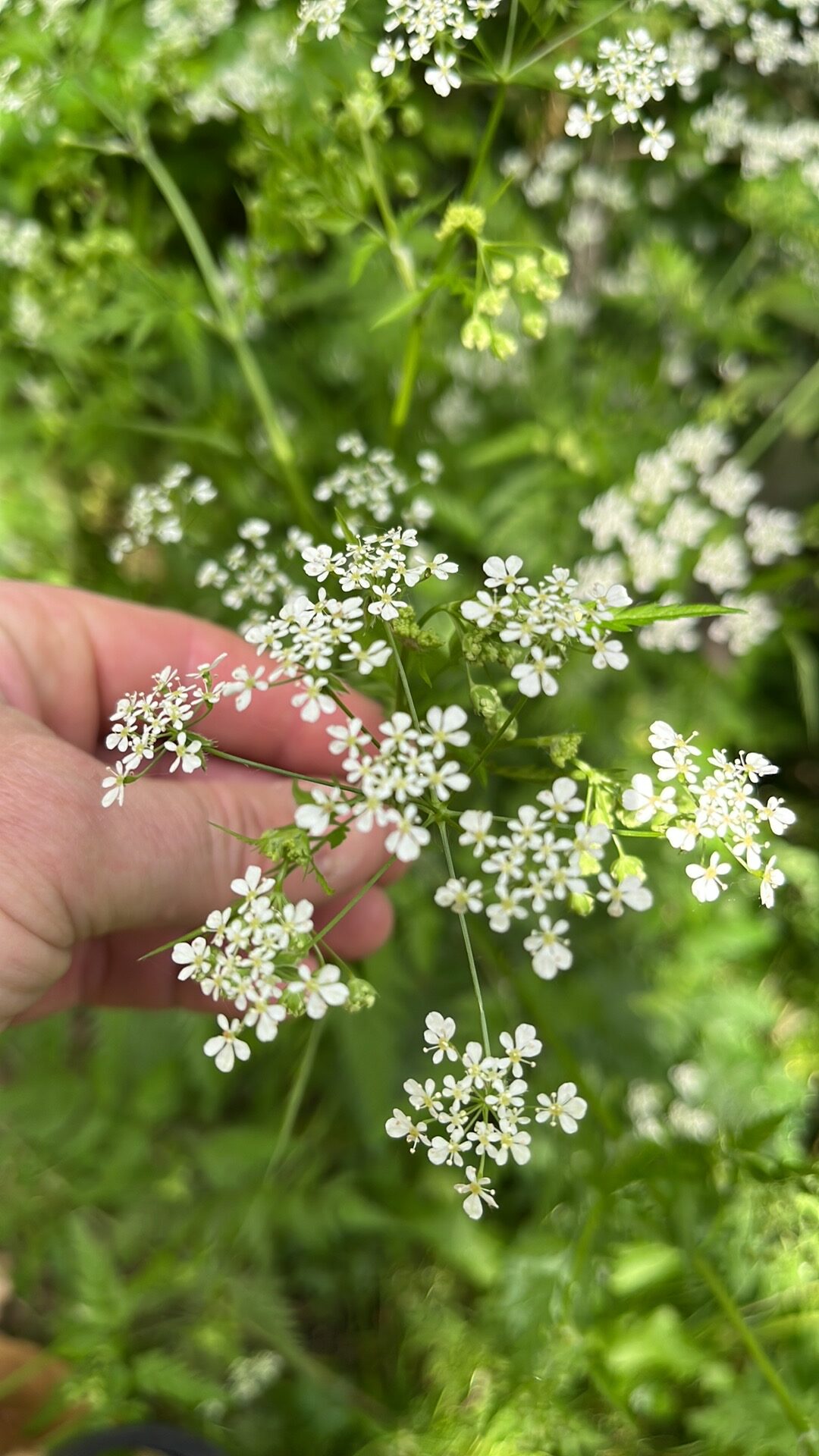
Cow Parsley – The Familiar Wildflower We Often Overlook
Cow Parsley – The Familiar Wildflower We Often Overlook
As spring moves into early summer, hedgerows, woodland edges and country lanes burst into life with one of the most recognisable wild plants in Ireland and Britain, Cow Parsley (Anthriscus sylvestris) with its delicate white umbels and soft, fern-like leaves, is often one of the first signs that the landscape is waking up after winter.
Despite its familiarity, Cow Parsley is a plant that is frequently overlooked, dismissed as background greenery rather than appreciated for its ecology, history, and role in traditional countryside knowledge.
What Is Cow Parsley?
Cow Parsley is a fast-growing biennial plant belonging to the Apiaceae (carrot) family. It thrives in nutrient-rich soils and is commonly found along hedgerows, roadsides, woodland margins, and field edges. By late April and May, it can form dense stands, frequently reaching over a metre in height.
Its airy white flowers are arranged in umbrella-shaped clusters, known as umbels, which attract a wide range of pollinating insects including flies, beetles, and early bees. In this way, cow parsley plays an important ecological role, acting as a food source at a crucial point in the season.
A Plant to Treat with Respect
One of the most important things to understand about Cow Parsley is its similarity to other members of the carrot family, some of which are extremely poisonous. Plants such as Hemlock (*Conium maculatum*) and Fool’s Parsley can appear superficially similar to the untrained eye.
For this reason, Cow Parsley is often used in bushcraft and foraging education as an example of why positive identification is essential. Learning to recognise key features-such as stem structure, smell, leaf shape, and habitat-is far more important than focusing on a single plant in isolation.
At Wild Walk Bushcraft workshops, we emphasise that no plant should ever be consumed unless identification is 100% certain and confirmed using multiple characteristics and reliable references.
Cow Parsley in Traditional Knowledge
Historically, Cow Parsley has had a modest place in folk traditions. In some rural communities it was associated with the arrival of longer days and was sometimes called “Queen Anne’s lace” (though this name is more correctly applied to wild carrot).
Children once used the hollow stems as makeshift whistles or pea shooters, while the flowering heads were gathered for simple decorations. Like many common plants, its value was not necessarily in direct utility, but in its presence as part of a seasonal rhythm that people were attuned to.
Ecological Importance
While cow parsley may be considered a “common” plant, its ecological value is anything but insignificant. The flowers provide nectar and pollen for insects emerging early in the year, and the dense growth offers shelter for small mammals and invertebrates.
As the plant sets seed later in the summer, it contributes to the wider food web, supporting birds and insects alike. From a land stewardship perspective, Cow Parsley is an indicator of healthy, undisturbed hedgerows and soil.
Learning From the Landscape
Cow Parsley is a perfect example of why bushcraft is not just about tools, fire, or shelter, but about ‘observation and connection’. By taking the time to notice plants like this-where they grow, when they flower, and how they interact with their environment-we begin to read the landscape more clearly.
You don’t need to harvest a plant for it to be useful. Sometimes the lesson is simply learning its name, understanding its relationships, and recognising its place in the wider ecosystem.
Traditional and Practical Uses of Cow Parsley
Although cow parsley is not a major food plant and should never be confused with edible or poisonous lookalikes, it has had a number of minor traditional and practical uses, particularly in rural and craft-based settings.
Seasonal Indicator
Cow parsley has long been used as a natural marker of the seasons. Its appearance in full flower signals late spring moving into early summer and was traditionally associated with changes in farming activities, grazing patterns, and hedgerow management.
Children’s Play and Folk Use
The hollow stems were commonly used by children to make simple whistles, blow darts, or pea shooters. While not a survival tool, this kind of playful interaction reflects a time when people-especially children-were far more engaged with the plants around them.
Decoration and Craft
The delicate white flower heads have historically been gathered for temporary decorations, garlands, and table displays. Pressed specimens were also used in early botanical collections and nature journals due to their clear structure and recognisable form.
Wildlife Support
From a bushcraft and land-awareness perspective, one of the most important “uses” of cow parsley is its role in supporting wildlife. The flowers attract a wide variety of insects, which in turn support birds and other animals. Observing where cow parsley thrives can help identify productive edges and insect-rich areas in the landscape.
Educational Use in Plant Identification
Cow Parsley is frequently used as a teaching plant in foraging and bushcraft courses. Its resemblance to both edible and deadly members of the carrot family make it an excellent example for learning careful identification, comparison, and risk awareness – skills that are far more valuable than any single edible plant.
Historical Food References (With Caution)
There are historical references to young leaves being used sparingly as a pot herb in times of scarcity. However, because of the real danger of misidentification with toxic species, cow parsley is not recommended as a foraged food today. In modern bushcraft practice, it is far more valuable as a learning plant than as a resource to consume.
Final Thoughts
Cow Parsley reminds us that the wild is not always dramatic or rare. Often, the most valuable teachers are the plants we walk past every day without a second glance.
Next time you’re out on a woodland path or country lane in spring, pause for a moment and look closely at those white umbels swaying in the breeze. There is a quiet story there-one of seasonality, ecology, and the deep connection between people and the land.
If you’d like to learn more about plant identification, traditional knowledge, and safe foraging practices, keep an eye on our upcoming Wild Walk Bushcraft workshops.