Common Sorrel – A Sharp Taste of the Wild
Common Sorrel – A Sharp Taste of the Wild
One of the most useful and easily recognised wild edible plants found across Ireland and Britain is ‘Common Sorrel (Rumex acetosa). With its arrow-shaped leaves and unmistakable sharp, lemony flavour, sorrel has been valued for centuries as both a food and a seasonal indicator, marking the return of fresh green growth after winter.
Unlike many wild plants, common sorrel is distinctive and, when correctly identified, relatively low risk – making it an excellent plant for beginners learning about wild food and plant identification.
Identifying Common Sorrel
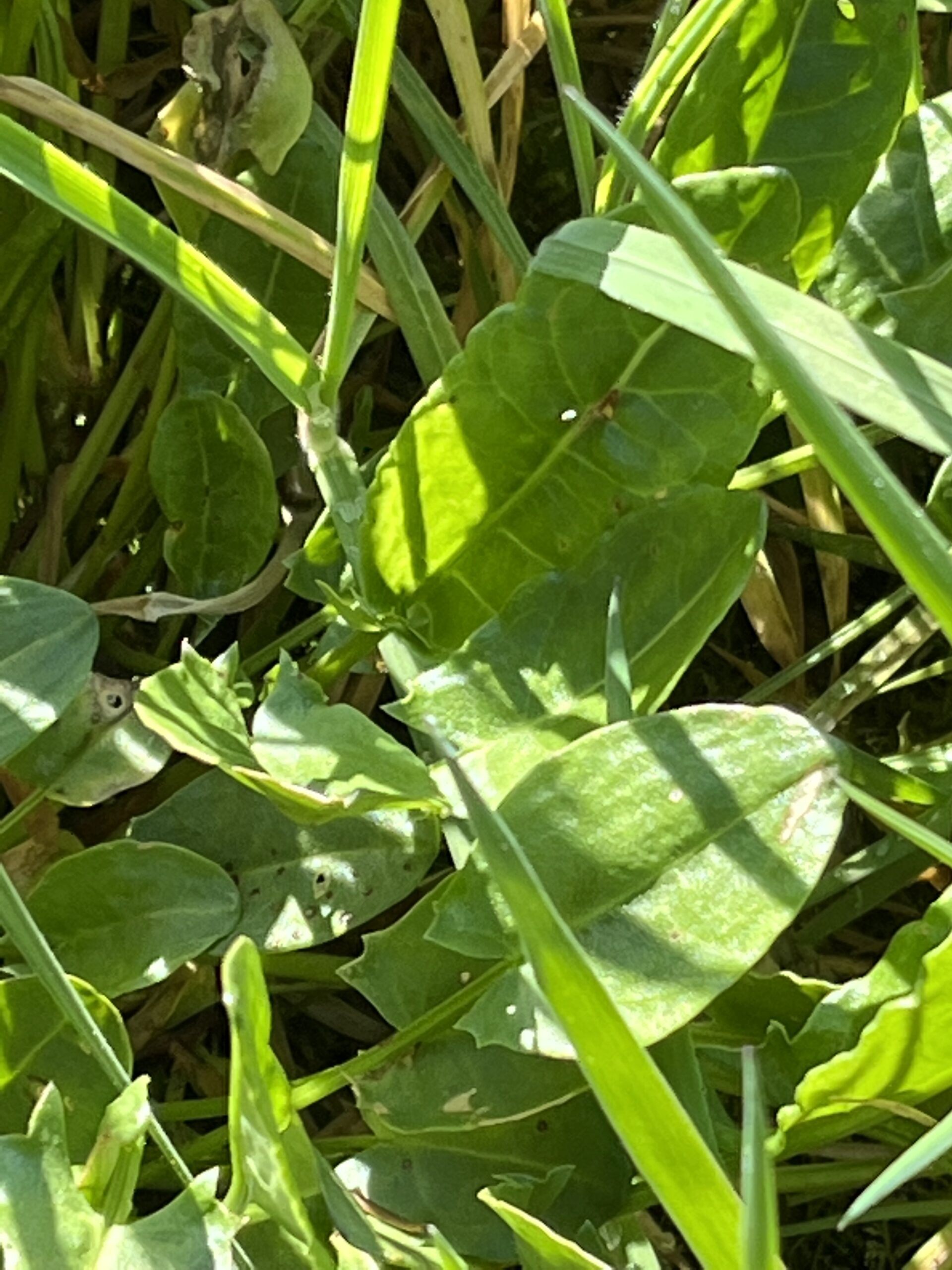
Common Sorrel is a perennial plant that thrives in grassland, meadows, roadsides, and woodland edges. It is often found in unimproved pasture and old fields where the soil has not been heavily treated.
Key identification features include:
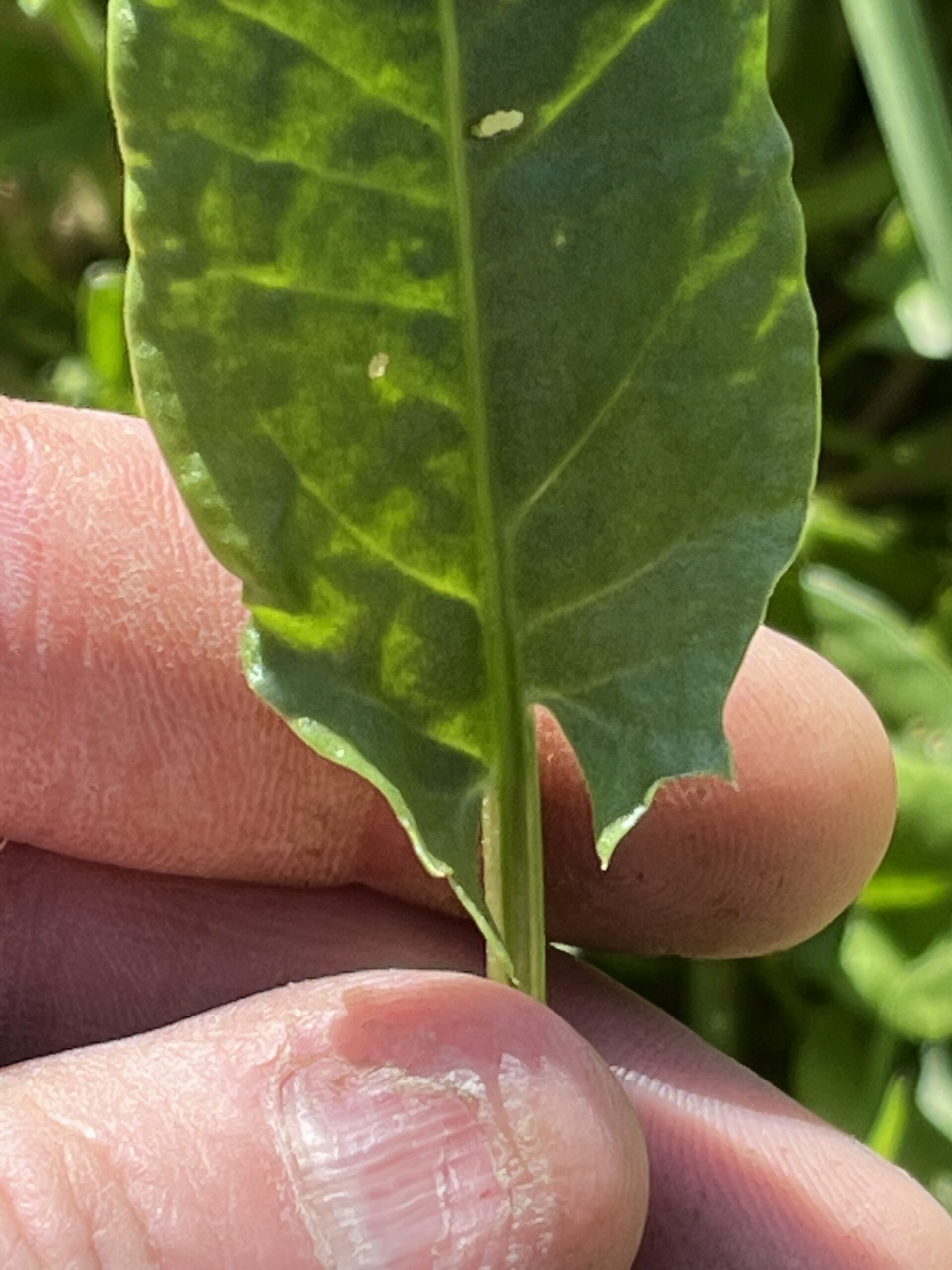
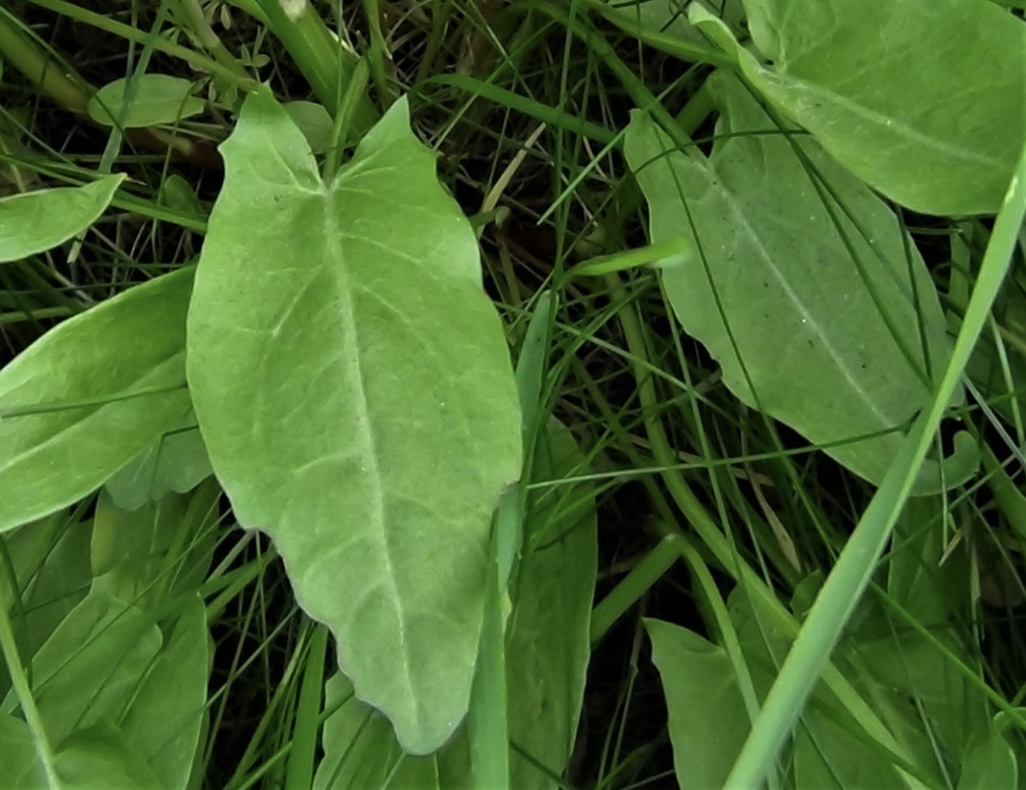
‘Arrow-shaped leaves’ with two backward-pointing lobes at the base
‘Smooth leaf edges’, unlike the curled or crinkled leaves of some docks
A ‘bright sour taste’ when a small piece of leaf is chewed (never rely on taste alone for ID)
Tall flowering stems bearing reddish-green flower clusters in late spring and summer
Once learned, sorrel is difficult to confuse with dangerous plants, though it is closely related to docks (Rumex species), which are also non-toxic.
A Traditional Food Plant
Common sorrel has a long history of use as a food plant across Europe. Its sharp flavour comes from ‘Oxalic acid’, the same compound found in spinach and rhubarb.
Traditionally, sorrel was:
- Added to soups and stews to give a sharp, refreshing note
- Used fresh in salads in small quantities
- Cooked as a leafy green in spring dishes
- Combined with dairy, eggs, or fish to balance its acidity
In times before citrus fruits were widely available, sorrel provided an important source of acidity and freshness in cooking.
Uses in Bushcraft and Outdoor Cooking
From a bushcraft perspective, common sorrel is a valuable plant to know. It can
- Add flavour to simple camp meals.
- Be used to brighten otherwise bland foods such as grains, eggs, or flatbreads.
- Help demonstrate how wild plants can complement, rather than replace, staple foods.
Because of its strong taste, only small amounts are needed, making it ideal for responsible, low-impact harvesting.
Sorrel Leaf Broth
A light, refreshing broth that makes the most of sorrel’s sharp flavour.
You will need:
- A handful of fresh sorrel leaves
- Clean water
- A pinch of salt (optional)
Method:
- Wash the leaves thoroughly.
- Bring water to a gentle simmer.
- Add the sorrel leaves and cook for 2–3 minutes.
- Remove from the heat and strain if desired.
Use:
Drink warm or cool. The flavour is sharp and clean, making this an excellent spring tonic.
Sorrel and Egg Camp Scramble
Sorrel’s acidity pairs well with eggs, cutting through richness.
You will need:
- Fresh sorrel leaves
- Eggs
- Fat or butter
Method:
- Wash and finely chop the sorrel.
- Heat a pan with a little fat.
- Add the sorrel and cook briefly until wilted.
- Add beaten eggs and stir gently until cooked.
Use:
Eat immediately while warm. The sorrel adds a lemon-like brightness without any citrus.
Sorrel Pot Herb (Mixed Greens)
Sorrel works best as part of a mix rather than on its own.
You will need:
- Sorrel leaves
- Other wild greens (nettles, chickweed, dandelion)
Method:
- Wash and chop all greens.
- Add to boiling water.
- Cook for 5–10 minutes.
- Drain well.
Use:
Serve as a simple side. Sorrel adds sharpness that balances milder greens.
Sorrel Sauce (Woodland Version)
A traditional use of sorrel, historically paired with fish or meat.
You will need:
- Sorrel leaves
- Butter or animal fat
- A little water
Method:
- Melt butter or fat gently.
- Add finely chopped sorrel.
- Stir until wilted and softened.
- Add a small splash of water if needed.
Use:
Spoon over cooked meat or vegetables. Use sparingly; the flavour is strong.
Sorrel Flatbread
Sorrel can be added directly to dough for a sharp, green bread.
You will need:
- Flour
- Water
- Salt
- Finely chopped sorrel leaves
Method:
- Mix flour, salt, and chopped sorrel.
- Add water to form a dough.
- Shape into flat rounds.
- Cook on a hot stone or pan beside the fire.
Use:
Eat warm. The sorrel adds colour and a fresh, sour taste.
Sorrel & Potato Camp Stew
A filling, warming dish using simple ingredients.
You will need:
- Potatoes
- Sorrel leaves
- Water
- Salt
Method:
- Boil chopped potatoes until soft.
- Add chopped sorrel for the final few minutes.
- Season lightly.
Use:
The sorrel lifts the stew, preventing it from tasting heavy.
Sorrel Leaf Drink (Cold Infusion)
A refreshing drink for warm days.
You will need:
- Fresh sorrel leaves
- Cold water
Method:
- Tear the leaves slightly.
- Add to cold water.
- Leave to infuse for 1–2 hours.
- Strain before drinking.
Use:
A sharp, cooling drink. Best consumed fresh.
Medicinal and Folk Uses
Historically, sorrel was associated with cleansing and cooling properties in folk medicine. It was used in spring tonics and believed to aid digestion and refresh the body after winter. While these uses are part of traditional knowledge, modern bushcraft practice treats them as ‘historical context rather than medical advice’.
Harvesting With Care
When foraging common sorrel:
- Harvest young leaves for the best flavour
- Avoid plants growing near roads or contaminated ground
- Take only a small amount from any one patch
- Avoid overconsumption due to oxalic acid content
People with kidney issues or those prone to kidney stones should be cautious with sorrel and similar plants.
Sorrel as a Learning Plant
Common sorrel is an excellent introduction to foraging because it teaches:
- Careful observation of leaf shape and habitat
- The importance of moderation
- How wild flavours differ from cultivated foods
At Wild Walk Bushcraft, we often use plants like sorrel to show that wild food is not about survival extremes, but about understanding the land and using it thoughtfully.
Final Thoughts
Common sorrel is a reminder that wild food doesn’t have to be rare or exotic to be valuable. Sometimes the most useful plants are those growing quietly underfoot, offering simple flavours and a deeper connection to the seasons.
Learning to recognise and use plants like sorrel builds confidence, awareness, and respect for the natural world – key skills for anyone interested in bushcraft and traditional outdoor knowledge.