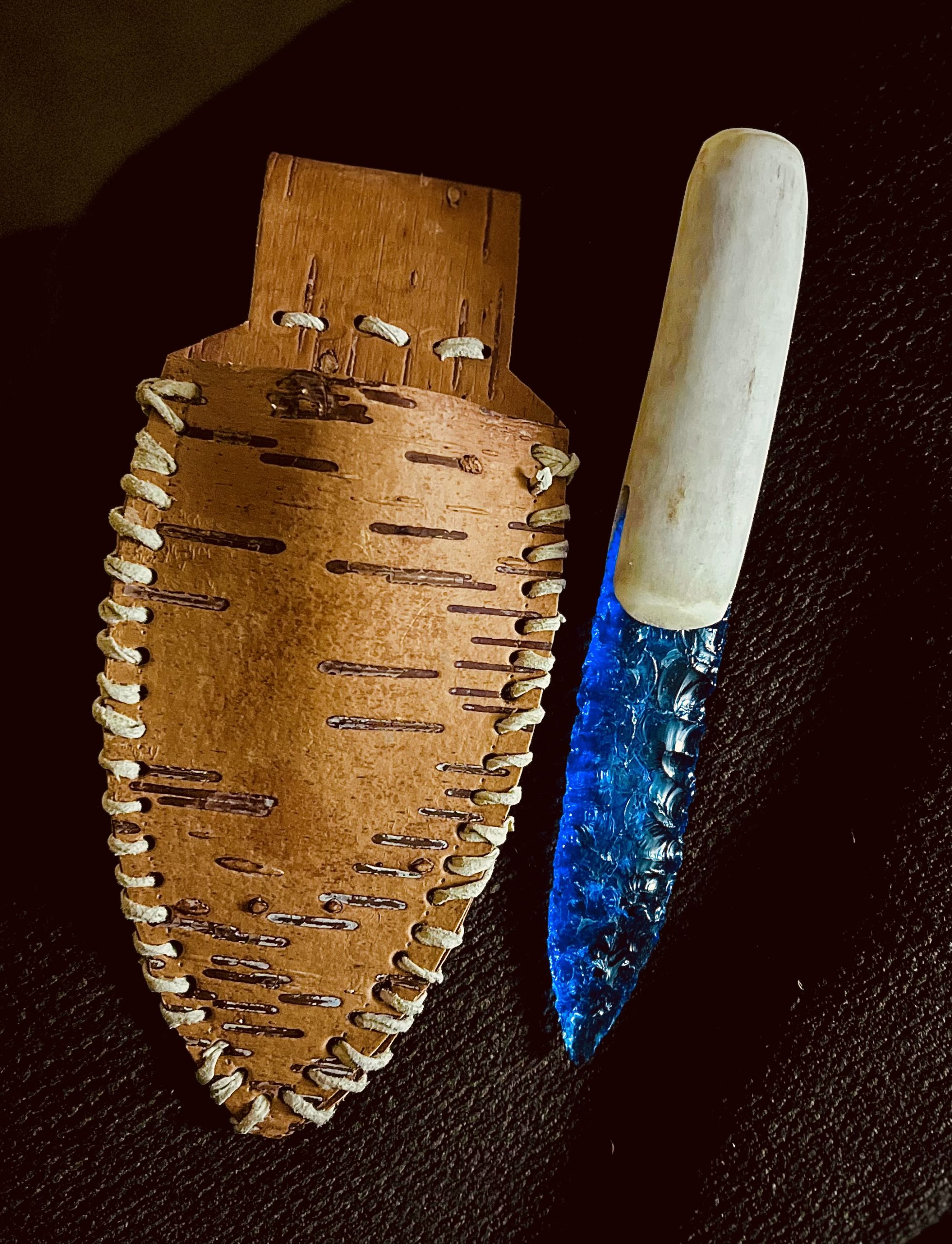
Flint Knapping and Experimental Archaeology: Learning Through Making
Flint Knapping and Experimental Archaeology: Learning Through Making
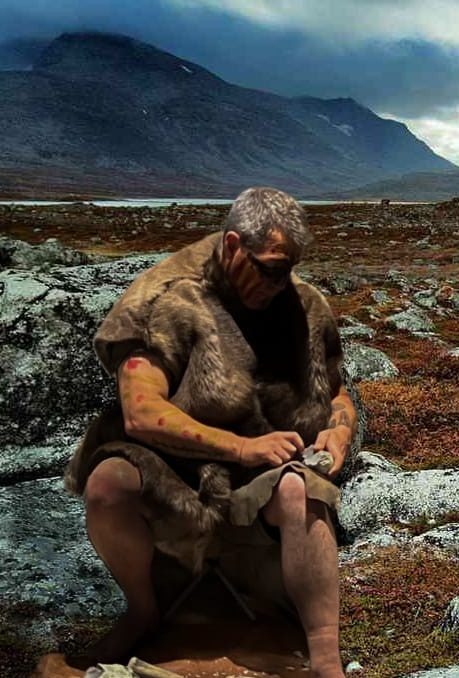
Flint knapping sits at the heart of experimental archaeology. By shaping stone into tools using prehistoric techniques, we move beyond theory and into direct engagement with the technologies that sustained people for tens of thousands of years. Each strike, flake, and failure becomes a form of evidence, revealing how materials behave and how skill, time, and decision-making shaped the archaeological record.
In bushcraft, flint knapping is not about reproducing museum pieces. It is about understanding process, constraint, and intent through practice.
Flint Knapping as Experimental Method
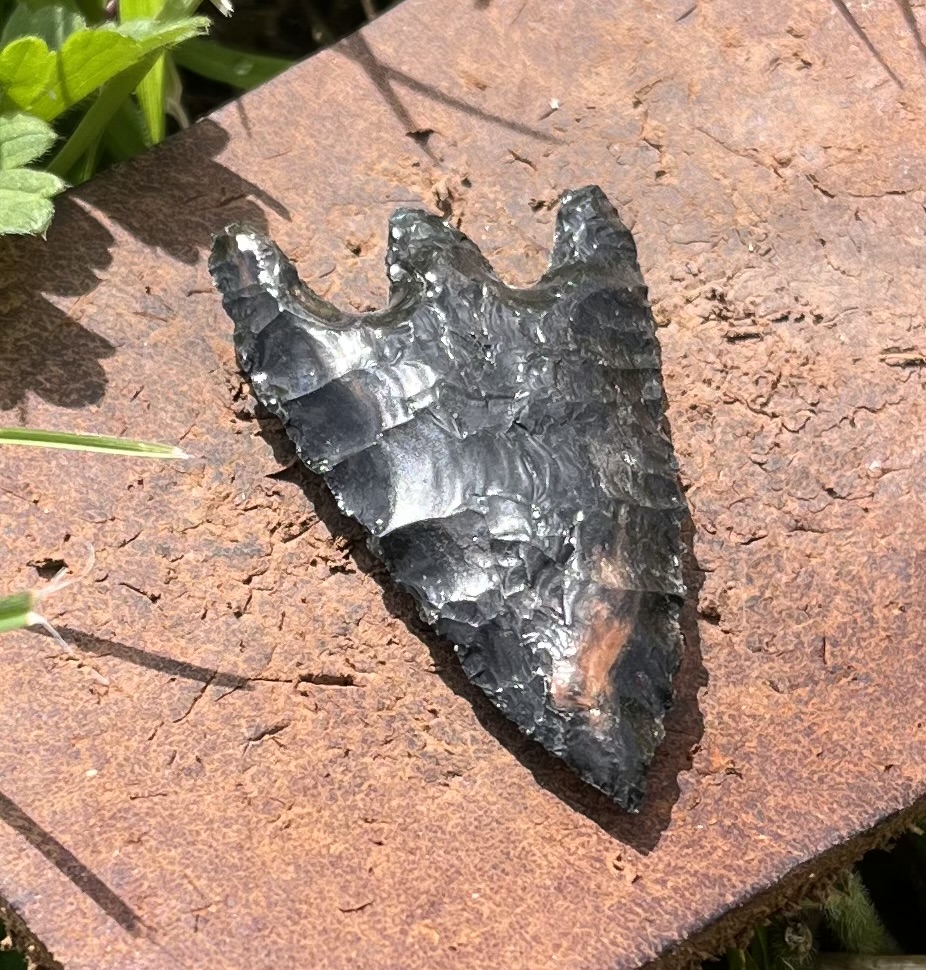
Experimental archaeology uses replication to test archaeological interpretations. When we knap stone, we encounter the same limitations faced by prehistoric toolmakers: variable raw material, tool wear, breakage, and the need for efficiency. These experiences highlight how much knowledge is embedded in even the simplest-looking artefacts.
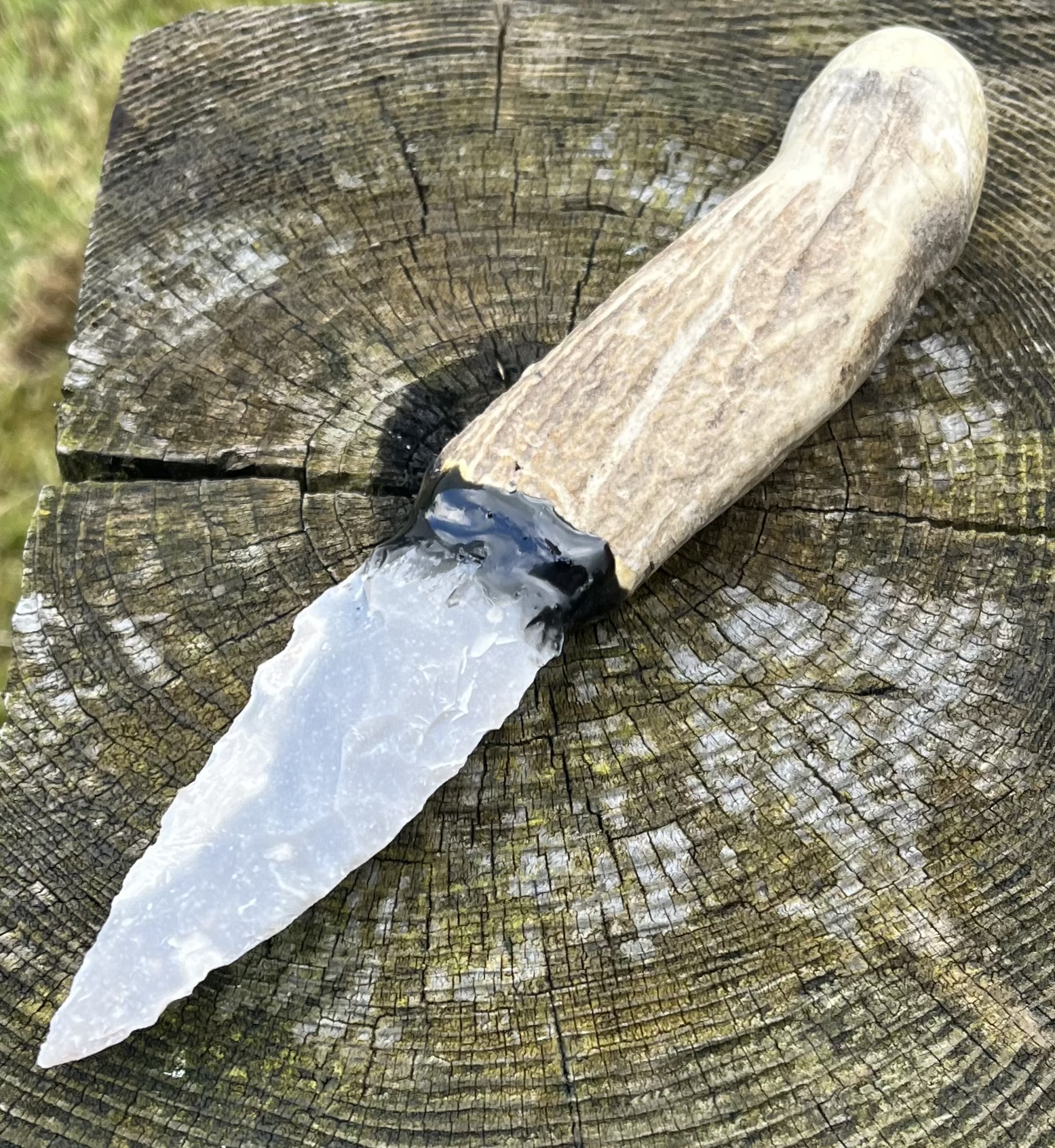
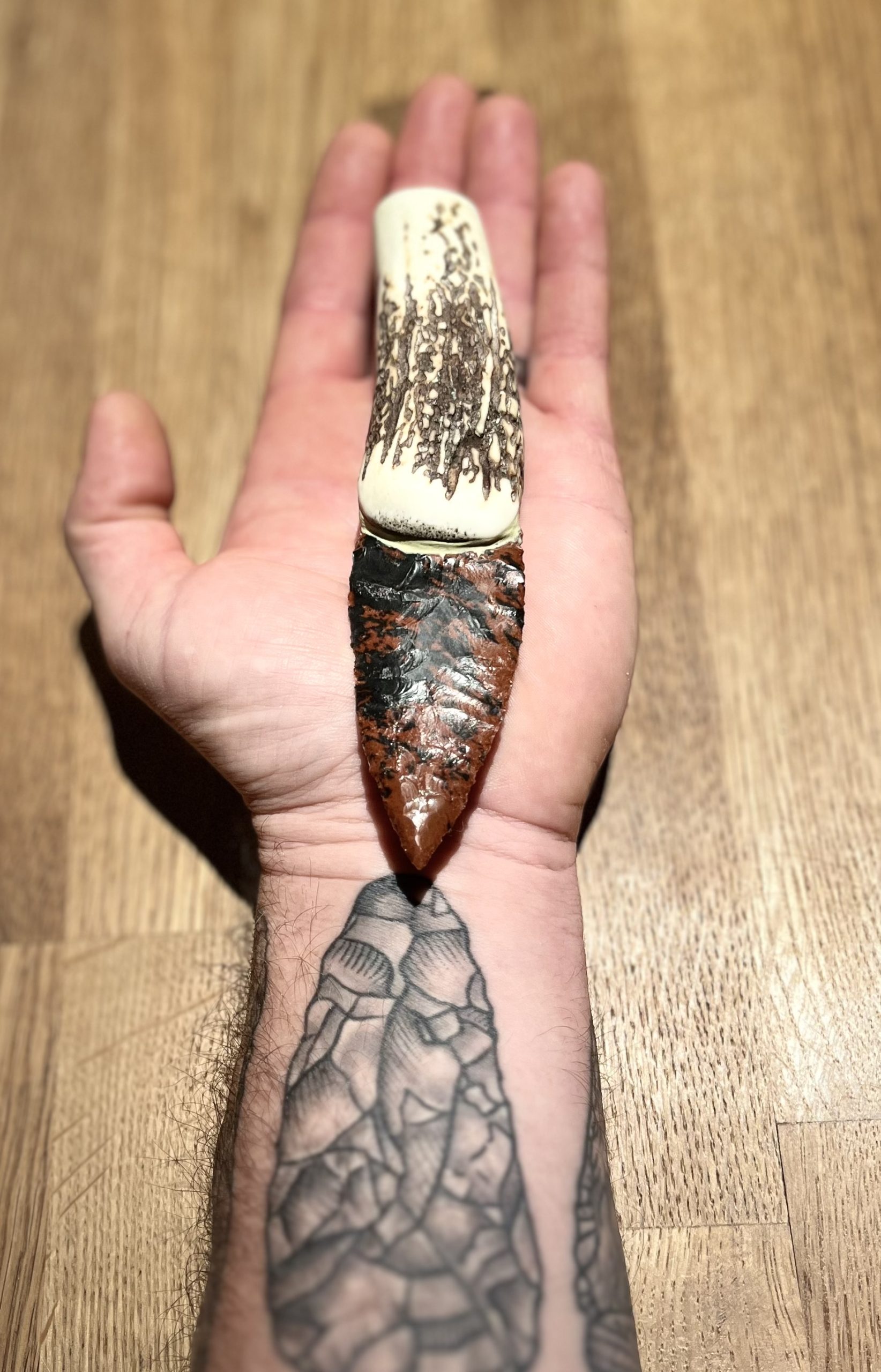
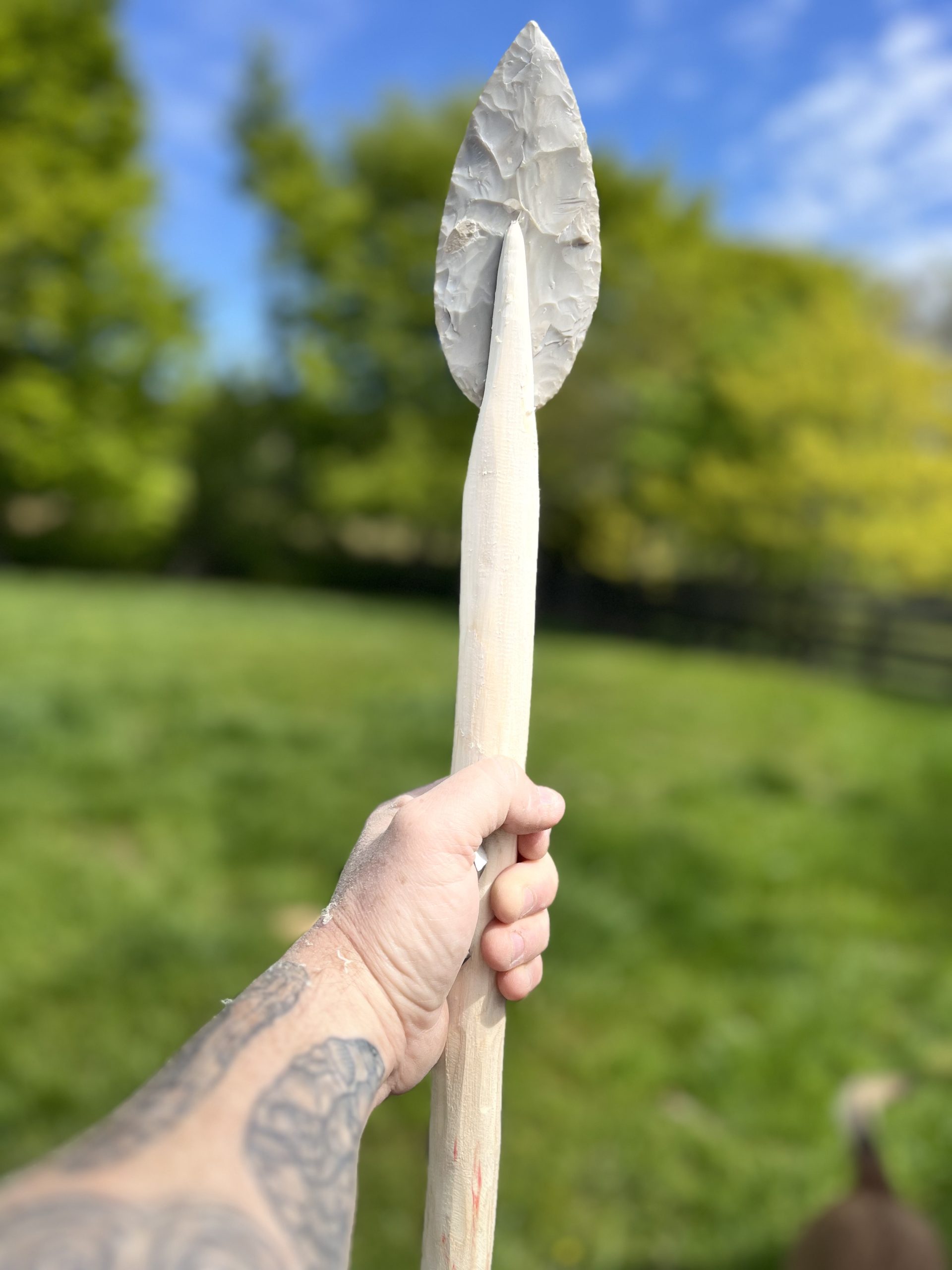
By attempting to reproduce flakes, scrapers, blades, or projectile points, we gain insight into:
- Raw material selection and transport
- Skill acquisition and learning curves
- Tool function and edge durability
- Waste patterns and debitage scatters
What survives in the ground is only part of the story. Making tools helps explain what is missing.
Stone, Fracture, and Control
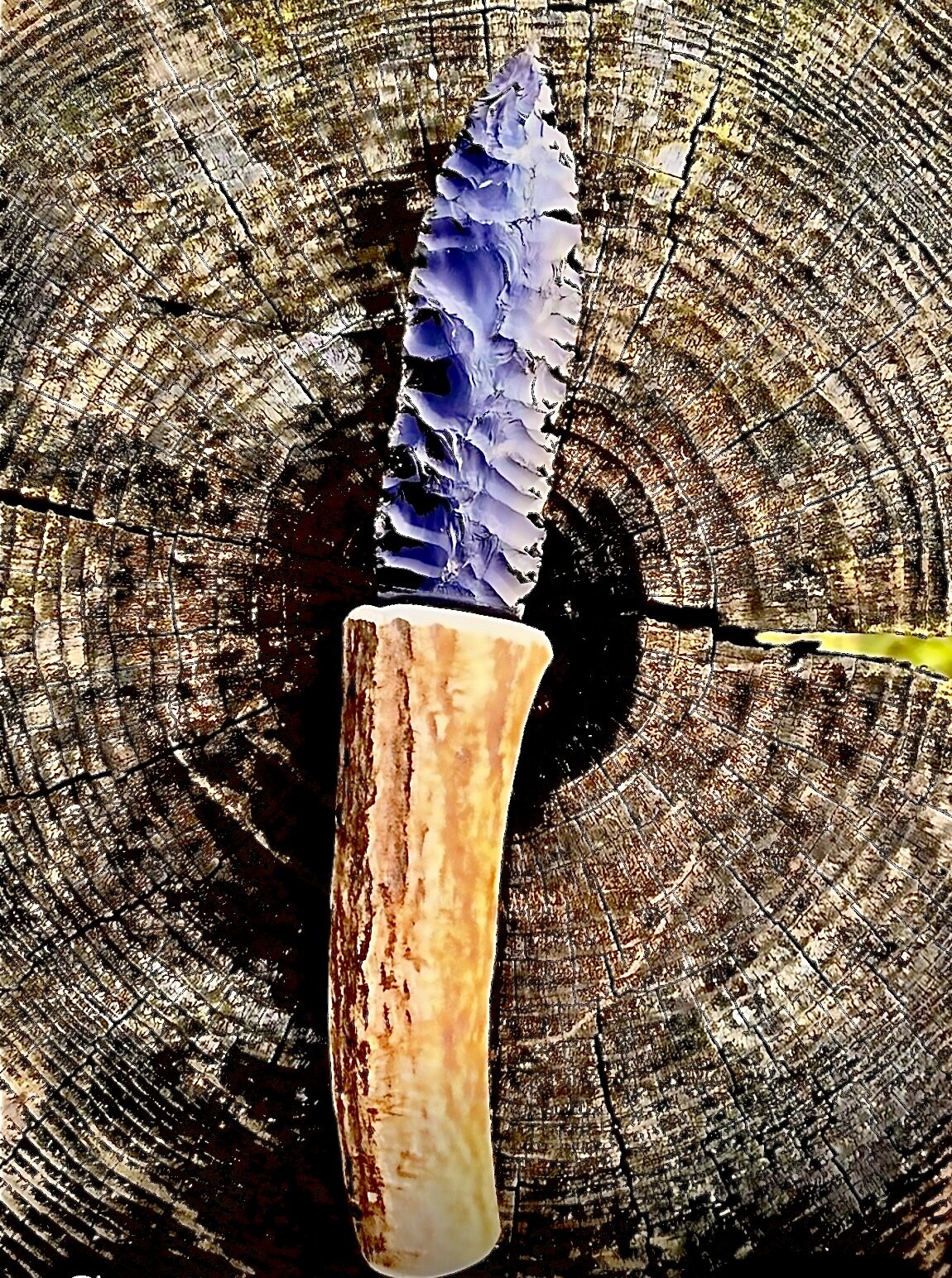
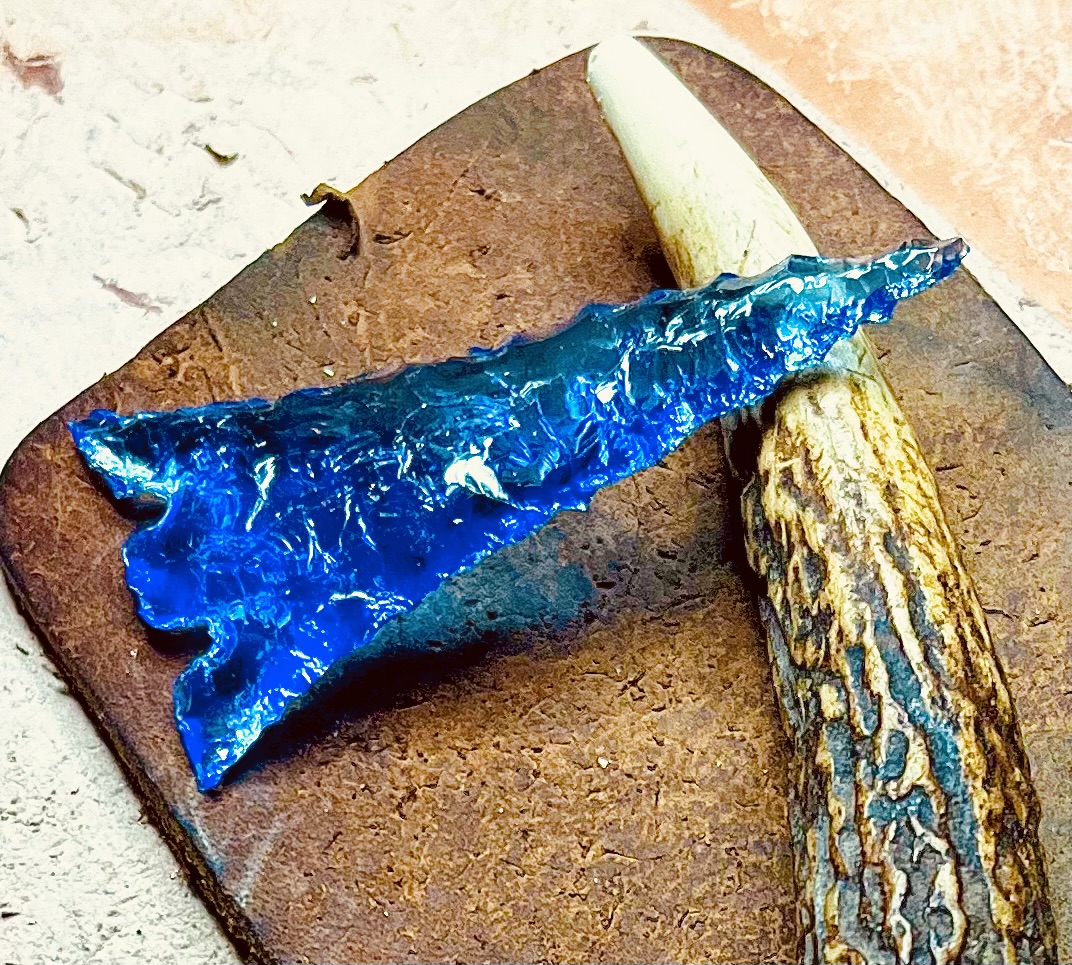
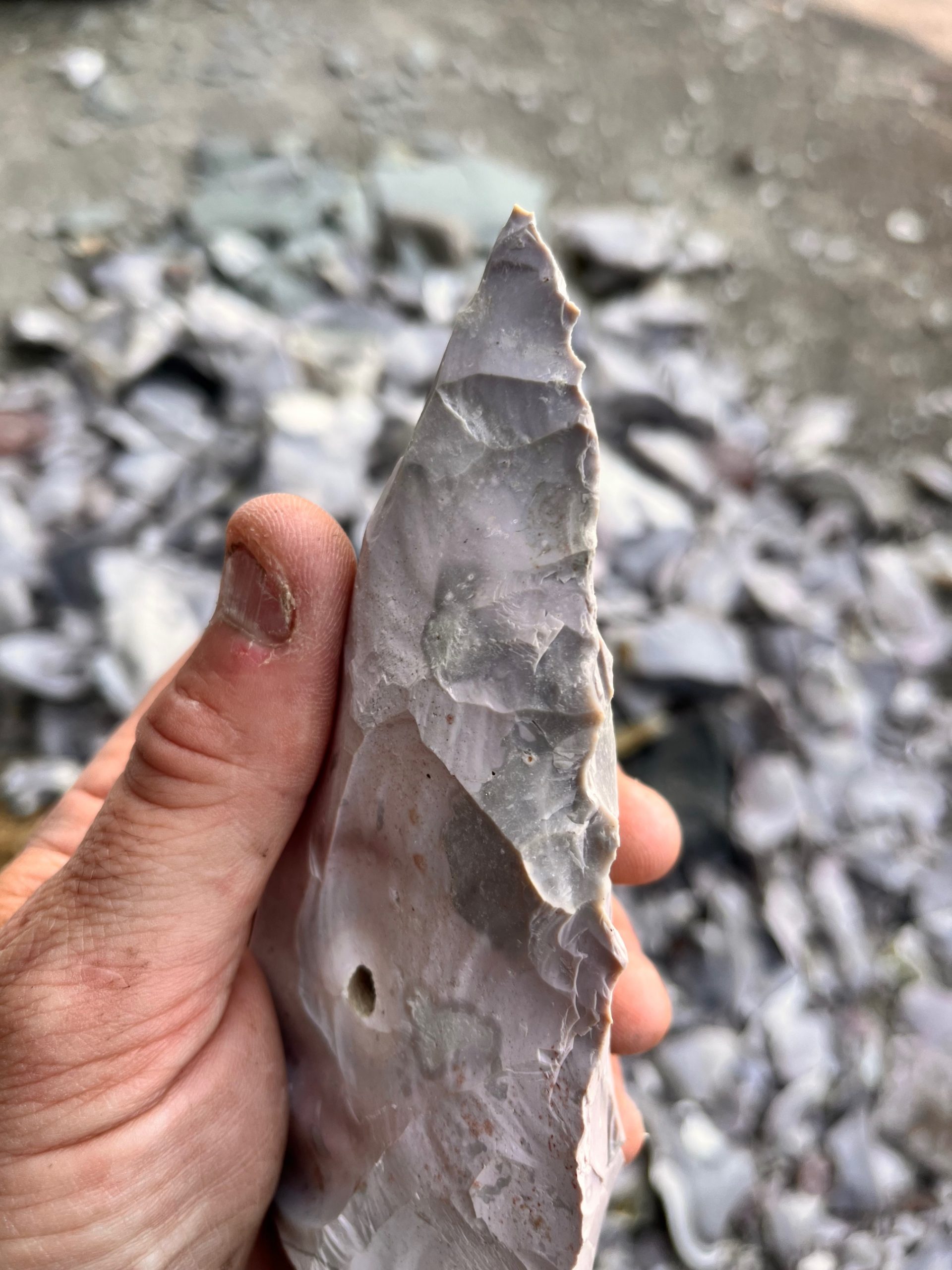
Flint, chert, and obsidian fracture conchoidally, allowing predictable flake removal when struck or pressed at the correct angle. Understanding this fracture is central to interpreting archaeological lithics. Platform preparation, striking angle, and force directly influence flake morphology – features often used by archaeologists to identify technique and period.
Through hands-on knapping, abstract terms such as ‘platform’, ‘bulb of percussion’, and ‘termination’become immediately meaningful.
Percussion and Pressure Techniques
Percussion flaking is used to establish form and thin stone, employing hard hammerstones or softer billets of antler, bone, or wood. Pressure flaking follows, allowing fine control over edge shaping, notching, and sharpening.
Replicating these techniques demonstrates why certain tool forms appear where they do in time and space, and why some methods were favoured over others depending on available materials and intended use.
Function Over Finish
Experimental archaeology reminds us that prehistoric tools were not made for display. A roughly finished scraper may outperform a finely worked piece in practical use. By using replicated tools for cutting, scraping, and working natural materials, we can test assumptions about efficiency, edge retention, and resharpening cycles.
These experiments inform our understanding of wear patterns and help interpret use-wear found on archaeological artefacts.
Learning Through Experience
Flint knapping demands patience, observation, and repetition. Mistakes are not failures but data. Broken pieces, step fractures, and shattered platforms all contribute to understanding the skill and decision-making involved in stone tool production.
For students, educators, and practitioners, this embodied learning offers a deeper connection to the past than theory alone.
Flint Knapping at Wild Walk Bushcraft
Wild Walk Bushcraft offers hands-on experiences and instructional workshops in flint knapping and wider lithic technologies. These sessions are grounded in experimental archaeology and traditional skills, giving participants the opportunity to work with stone, antler, bone, and copper tools while exploring prehistoric methods in a practical outdoor setting.
Whether approached as a bushcraft skill, an educational tool, or a route into experimental archaeology, flint knapping provides a powerful way to understand how people lived, adapted, and made sense of their world through material culture.