Wild Garlic (Allium ursinum): A Spring Food of the Woodland
Wild Garlic (Allium ursinum): A Spring Food of the Woodland
As winter loosens its grip, the woodland floor begins to change. Long before trees come fully into leaf, broad green blades of Wild Garlic push up through damp soil, releasing a scent that signals the return of spring. For thousands of years, this plant has marked a seasonal shift in how people moved, gathered, and ate from the land.
At Wild Walk Bushcraft, wild garlic is one of the first plants we introduce each year. Not because it is fashionable, but because it is reliable, abundant, and deeply rooted in traditional food systems.
___________________________________________________________________________
Landscape, Seasonality, and Use
Wild garlic thrives in deciduous woodland, shaded riverbanks, and old hedgerows, often forming dense patches. Its presence tells us much about soil health, moisture, and the wider woodland ecology, information that would have been vital to past communities navigating these landscapes.
From an experimental archaeology perspective, plants like wild garlic would have played an important role in early spring diets. After winter scarcity, fresh greens provided flavour, nutrients, and variety at a time when stored foods were limited.
___________________________________________________________________________
Identification in the Field
Correct identification is essential and always forms part of our foraging instruction.
Key features include:
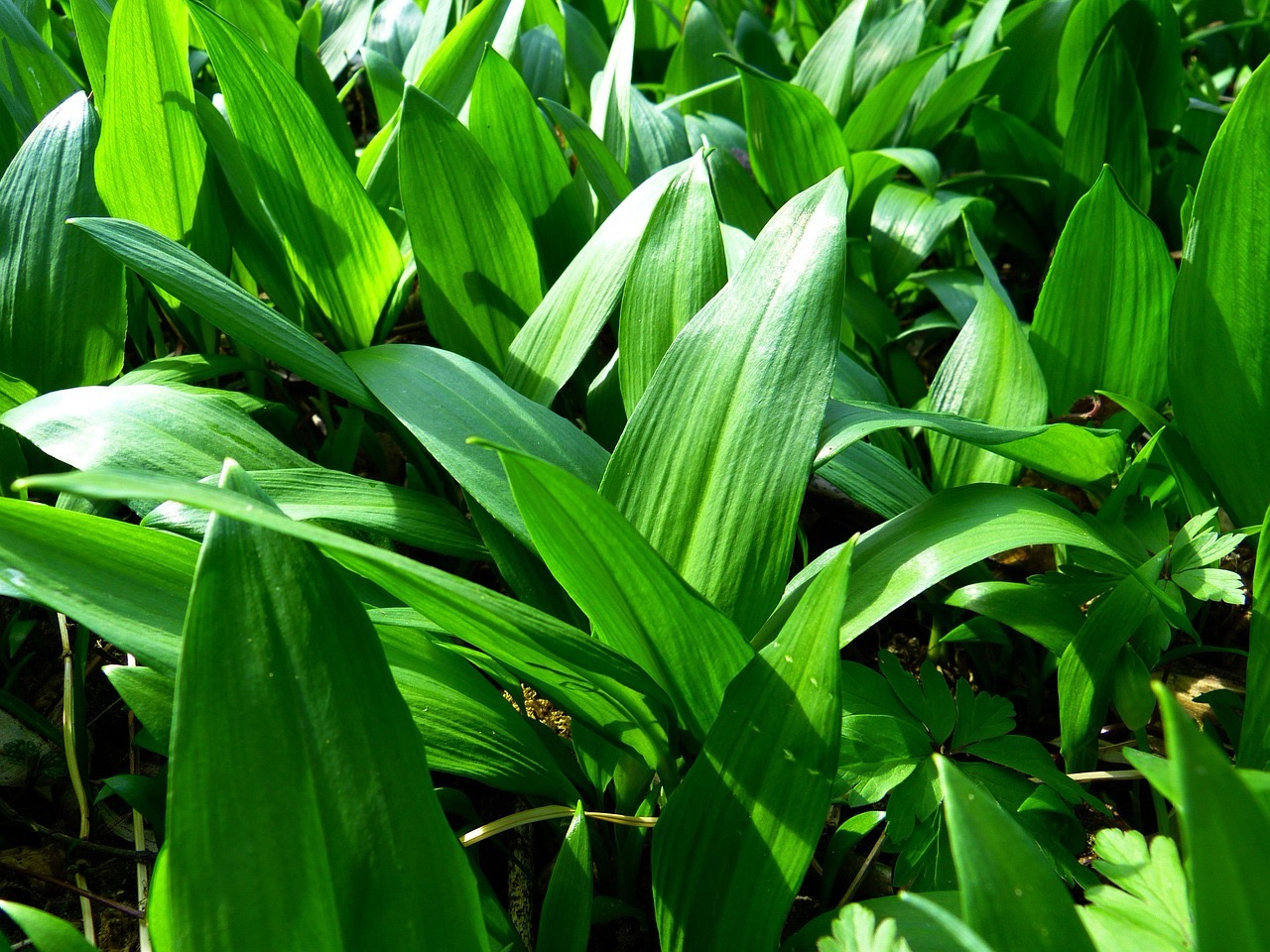
- Broad, soft green leaves growing singly from the ground
- A strong garlic aroma when crushed
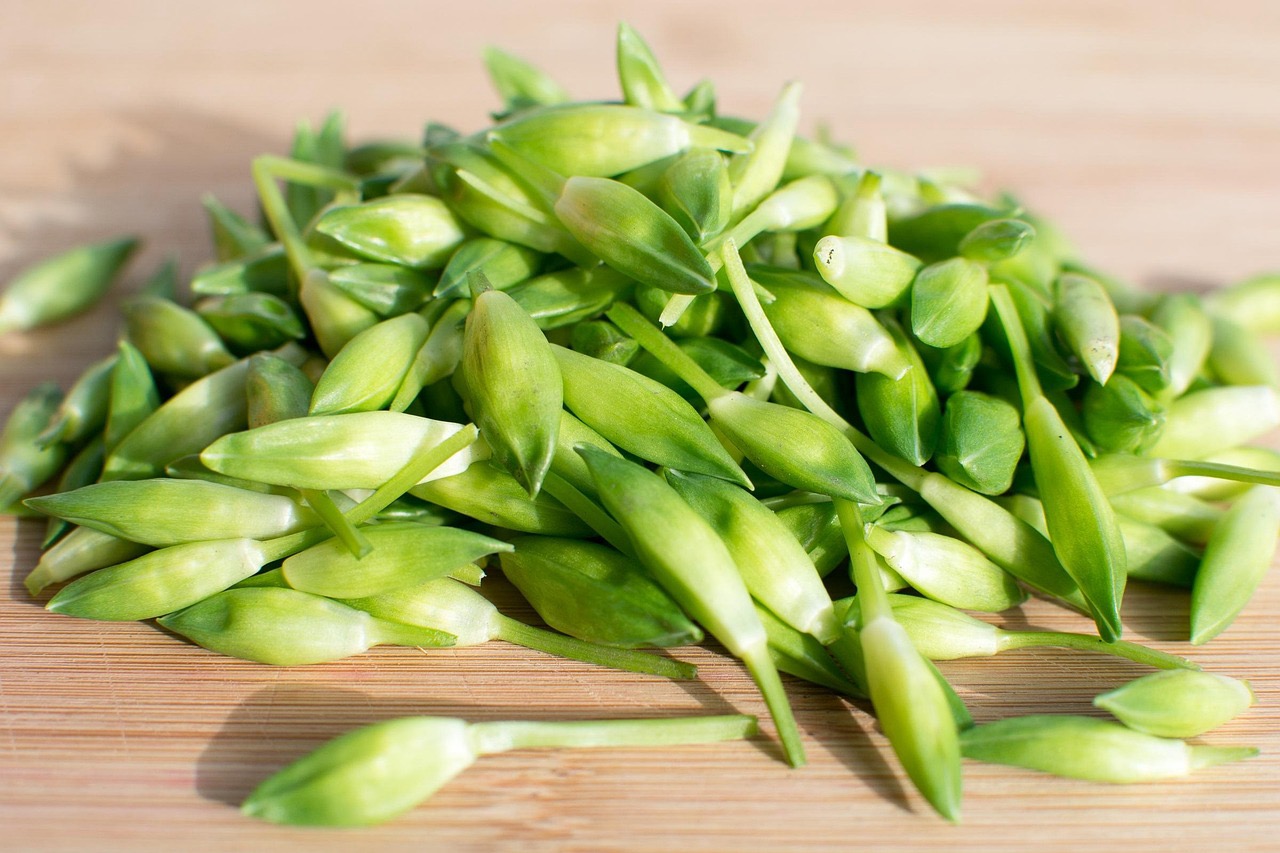
- White star-shaped flowers appearing later in the season
Wild garlic must never be confused with toxic species such as ‘lily of the valley’ or ‘lords-and-ladies’. Smell, habitat, and leaf structure are critical indicators.
___________________________________________________________________________
Traditional and Nutritional Value
Wild garlic has a long history of use in European folk traditions as both food and medicine. Like cultivated garlic, it contains sulphur compounds believed to contribute to its characteristic flavour and traditional health associations.
Potential Health Benefits
Wild garlic has traditionally been used to:
- Support digestive health
- Aid circulation
- Provide mild antimicrobial properties
- Contribute to seasonal detoxification in spring diets
It is also a natural source of vitamin C, iron, and antioxidants, making it a valuable fresh green food after winter.
___________________________________________________________________________
Harvesting with Care
Responsible foraging is central to bushcraft practice.
- Harvest leaves sparingly from large patches
- Avoid pulling bulbs
- Leave plenty for regeneration and wildlife
- Take only what you will use
This approach mirrors how resources would have been managed historically—through knowledge, restraint, and repeated seasonal use of the same ground.
___________________________________________________________________________
Culinary Uses and Simple Recipes
Wild garlic is extremely versatile and can be used anywhere you would normally use garlic or leafy greens.
Wild Garlic Butter
Ingredients
- Unsalted butter (softened)
- Finely chopped wild garlic leaves
- Salt to taste
Method
Mix all ingredients together and roll into parchment. Chill and slice as needed. Excellent on bread, fish, vegetables, or melted over campfire-cooked meats.
____________________________________________________________________________
Wild Garlic Pesto
Ingredients
- Wild garlic leaves
- Olive oil
- Nuts (hazelnuts or pine nuts)
- Hard cheese (optional)
- Lemon juice and salt
Method
Blend all ingredients until smooth. This pesto keeps well refrigerated and pairs beautifully with pasta, potatoes, or flatbreads cooked over open fire.
____________________________________________________________________________
Wild Garlic Soup
Ingredients
- Onion or leek
- Potatoes
- Wild garlic leaves
- Stock
- Cream or oat milk (optional)
Method
Sauté onions, add potatoes and stock, simmer until soft, then stir in wild garlic just before blending. A simple, nourishing spring soup.
____________________________________________________________________________
Wild Garlic Flatbread
Finely chop wild garlic leaves and fold into simple dough before cooking on a hot stone or skillet—ideal for outdoor cooking and bushcraft settings.
____________________________________________________________________________
Learning Through Practice
At Wild Walk Bushcraft, wild garlic is used not just as food, but as a teaching tool. It introduces participants to seasonal awareness, ethical harvesting, simple preparation techniques, and the broader relationship between people and plants across time.
By working with plants like wild garlic in their natural setting, we gain insight into how earlier cultures gathered, cooked, and understood their landscapes, not through theory alone, but through hands-on practice.
Closing Thoughts
Wild garlic reminds us that the landscape still offers what it always has: nourishment, flavour, and knowledge, if we know how to look. Its brief season encourages attentiveness and respect, values that sit at the heart of bushcraft and experimental archaeology alike.
This is spring food in its most honest form: simple, local, and deeply connected to place.