Wood Avens: A Forgotten Woodland Spice
Wood Avens: A Forgotten Woodland Spice
Wood Avens (Geum urbanum)is a quiet, easily overlooked woodland plant, yet it has a long history of use and a strong place in traditional plant knowledge. Common across Ireland and Britain, it is most often found along woodland paths, hedge banks, and shaded edges where disturbance is low, and soil remains relatively undisturbed.
For those learning bushcraft and plant awareness, wood avens is a good example of how usefulness is not always obvious at first glance.
Identification
Wood avens is a perennial member of the rose family. It grows in partial shade and is particularly associated with deciduous woodland.
Key features include:
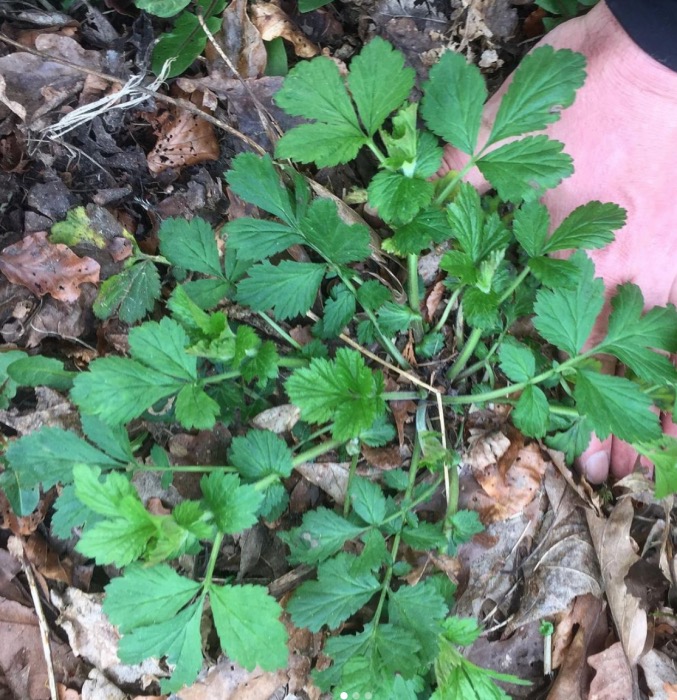
- Basal leaves divided into three lobes, with a rough, slightly hairy texture.
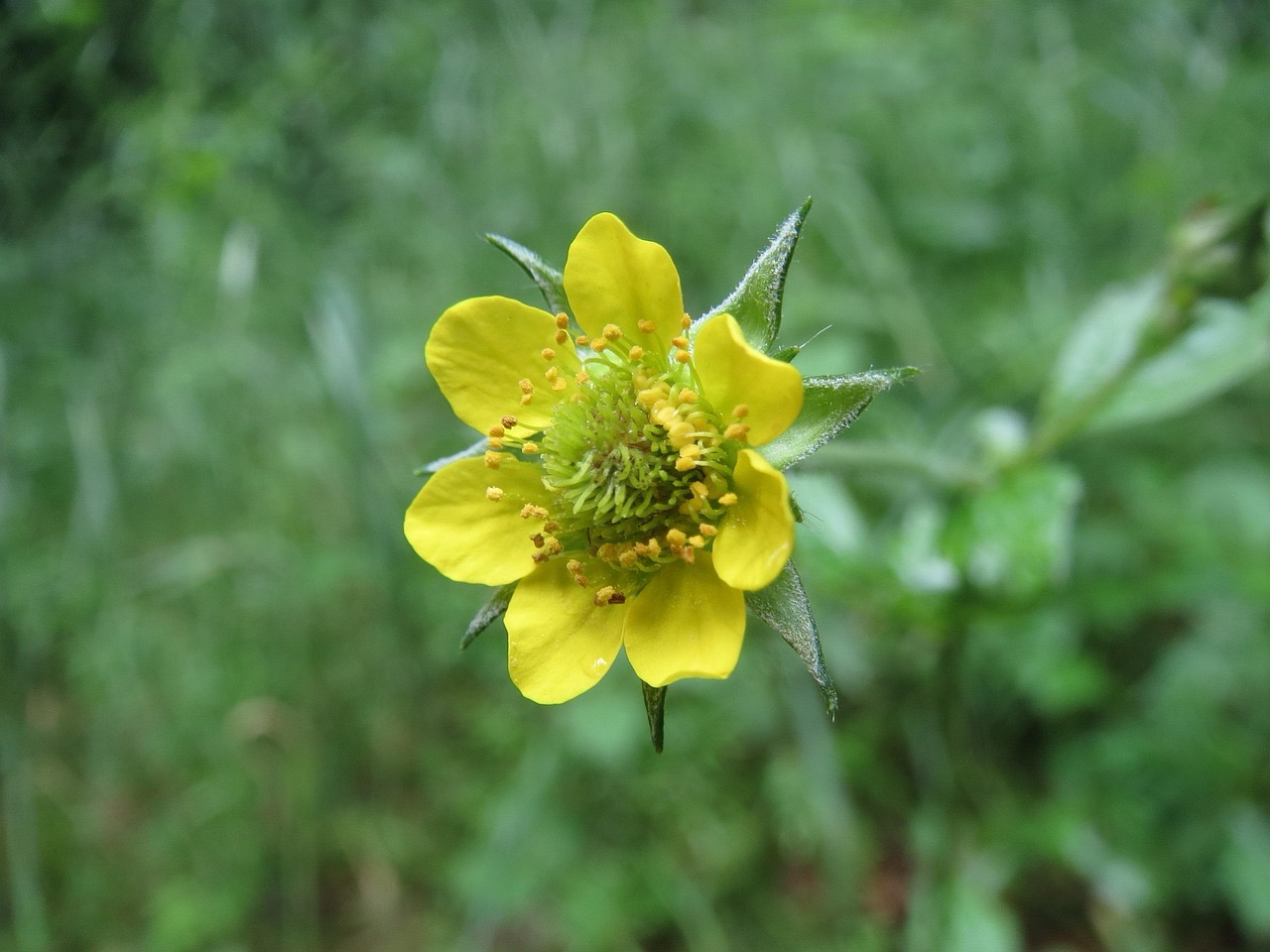
- Upright stems with small yellow, five-petalled flowers from late spring into summer.
- Burr-like seed heads that cling readily to clothing and animal fur.
- A clove-like scent released when the root is bruised or cut.
The scented root is one of the most reliable identification features and has been central to the plant’s traditional use.
Uses of Wood Avens:
Wood Avens Root Syrup (Hedgerow Spice Syrup)
This syrup captures the clove-like flavour of the root and stores well when kept cool.
You will need:
- Fresh or dried wood avens root
- Water
- Honey or sugar
Method:
- Clean and chop the root.
- Simmer gently in water for 30 minutes.
- Strain off the liquid.
- Return to the pot and add an equal volume of honey or sugar.
- Heat gently until dissolved and slightly thickened.
- Allow to cool and bottle.
Use:
Taken by the spoonful or added to hot drinks. Traditionally used in small amounts as a warming syrup.
Wood Avens Root Beer (Historical-Style)
This is a non-alcoholic, lightly flavoured woodland drink inspired by pre-modern hedgerow brewing.
You will need:
- Wood avens root
- Water
- Honey
- A squeeze of apple juice or wild fruit juice (optional)
Method:
- Simmer chopped root in water for 20–30 minutes.
- Strain and allow to cool slightly.
- Sweeten with honey to taste.
- Add a small amount of apple or fruit juice if available.
- Drink fresh.
Use:
A refreshing drink with a subtle spiced note. Best consumed the same day.
Wood Avens Root Vinegar
An excellent way to extract flavour and preserve the root for long-term use.
You will need:
- Clean chopped wood avens root
- Apple cider vinegar
Method:
- Place the root into a clean jar.
- Cover completely with vinegar.
- Seal and leave for 3–4 weeks.
- Strain and bottle.
Use:
Used sparingly in cooking, dressings, or diluted with water as a tonic. The flavour is sharp, spiced, and earthy.
Wood Avens Spiced Fat (Tallow or Butter Infusion)
Infusing fat with wood avens root produces a savoury seasoning that works well in camp cookery.
You will need:
- Finely chopped dried wood avens root
- Butter or rendered animal fat
Method:
- Melt the fat slowly over low heat.
- Add the root and gently warm for 20–30 minutes.
- Strain while warm into a container.
- Allow to cool and set.
Use:
Used to fry bread, vegetables, or meat. Adds a subtle clove-like depth.
Wood Avens Root Salt
A simple seasoning that stores well and is easily carried in the field.
You will need:
- Dried wood avens root
- Sea salt
Method:
- Grind the dried root to a fine powder.
- Mix with salt at a ratio of roughly 1 part root to 10 parts salt.
- Store in a dry container.
Use:
Sprinkled lightly over food. Historically useful where imported spices were unavailable.
Wood Avens & Apple Camp Stew
The root pairs well with apples and slow-cooked foods.
You will need:
- Chopped apple
- Root vegetables (if available)
- A small piece of wood avens root
- Water
Method:
- Add all ingredients to a pot.
- Simmer slowly over the fire for 45–60 minutes.
- Remove the root before serving if left whole.
Use:
A warming, filling stew with a faint spiced aroma rather than strong flavour.
Wood Avens Leaf and Root Broth
This simple broth makes use of both the leaf and root of wood avens, bringing together light spring greens with the warm, clove-like notes of the root. It is a gentle, nourishing preparation, well suited to camp cooking or quiet days in the woods.
You will need:
- A small piece of wood avens root
- A handful of young wood avens leaves
- Clean water
Method:
- Carefully dig a mature wood avens plant, taking only a small section of root and leaving the rest to regrow.
- Clean the root thoroughly, scraping away all soil.
- Chop or lightly crush the root to release its flavour.
- Place the root into a pot of cold water and bring to a gentle simmer.
- Simmer for around 20 minutes.
- Wash and roughly chop the young leaves.
- Add the leaves to the pot for the final 5 minutes of cooking.
- Remove from the heat and strain if desired.
Use:
Drink warm as a light broth or eat as a thin soup. The flavour is subtle — earthy and slightly bitter from the leaves, with a faint warming spice from the root. Best made fresh and enjoyed slowly.
Notes from the Woods:
- Use young leaves only; older leaves become tough and bitter.
- The root is strong — a little goes a long way.
- Always harvest responsibly and avoid disturbed or polluted ground.
A quiet, honest preparation that reflects how plants like wood avens were once used: simply, seasonally, and with respect.
Aromatic Root
The root of wood avens has a strong clove-like aroma when dried. Historically, this made it a valuable substitute for imported spices. It was used to flavour ales, wines, and cordials, particularly at a time when spices were costly and difficult to obtain.
Traditional Herbal Use
In folk traditions, wood avens was considered warming and astringent. It was commonly prepared as a tea or decoction and associated with digestive support. These uses form part of traditional knowledge and are best understood in a historical context rather than as modern medical practice.
Breath and Mouth Care
The dried root was sometimes chewed to freshen breath or relieve minor mouth discomfort. Its aromatic quality made it useful in everyday life rather than as a specialist remedy.
Bushcraft and Teaching Value
From a bushcraft perspective, wood avens is a valuable teaching plant:
- It highlights the importance of scent in plant identification
- It demonstrates historical reliance on local plants for flavour and utility
- It provides an opportunity to discuss ethical harvesting, particularly when roots are involved
In practice, wood avens is often best learned through observation and identification rather than collection.
Ecological Role
Wood avens plays a role in woodland ecosystems. Its flowers provide food for insects, and its hooked seeds are a clear example of animal-assisted seed dispersal. Observing these features helps develop a wider understanding of how plants interact with their environment.
Harvesting Considerations
If wood avens is being demonstrated or studied:
- Harvest only where the plant is plentiful
- Take minimal quantities
- Avoid unnecessary disturbance to woodland ground
Knowledge and familiarity are often more valuable than removal.
Final Thoughts
Wood avens is not a dramatic or showy plant, but it offers a strong connection to traditional woodland knowledge. Its scent, history, and subtle presence make it worth learning, even if it is never harvested.
As with many plants encountered in bushcraft, the value lies not in what can be taken, but in what can be understood.